Free EPPP sample questions
Questions from the Examination for Professional Practice in Psychology (EPPP) practice bank, with the correct answer and an explanation for each one. No junk, no filler.
Try them in the simulator Same questions, with study, timed and flashcard modes.
Showing 6 of 12 free sample questions.
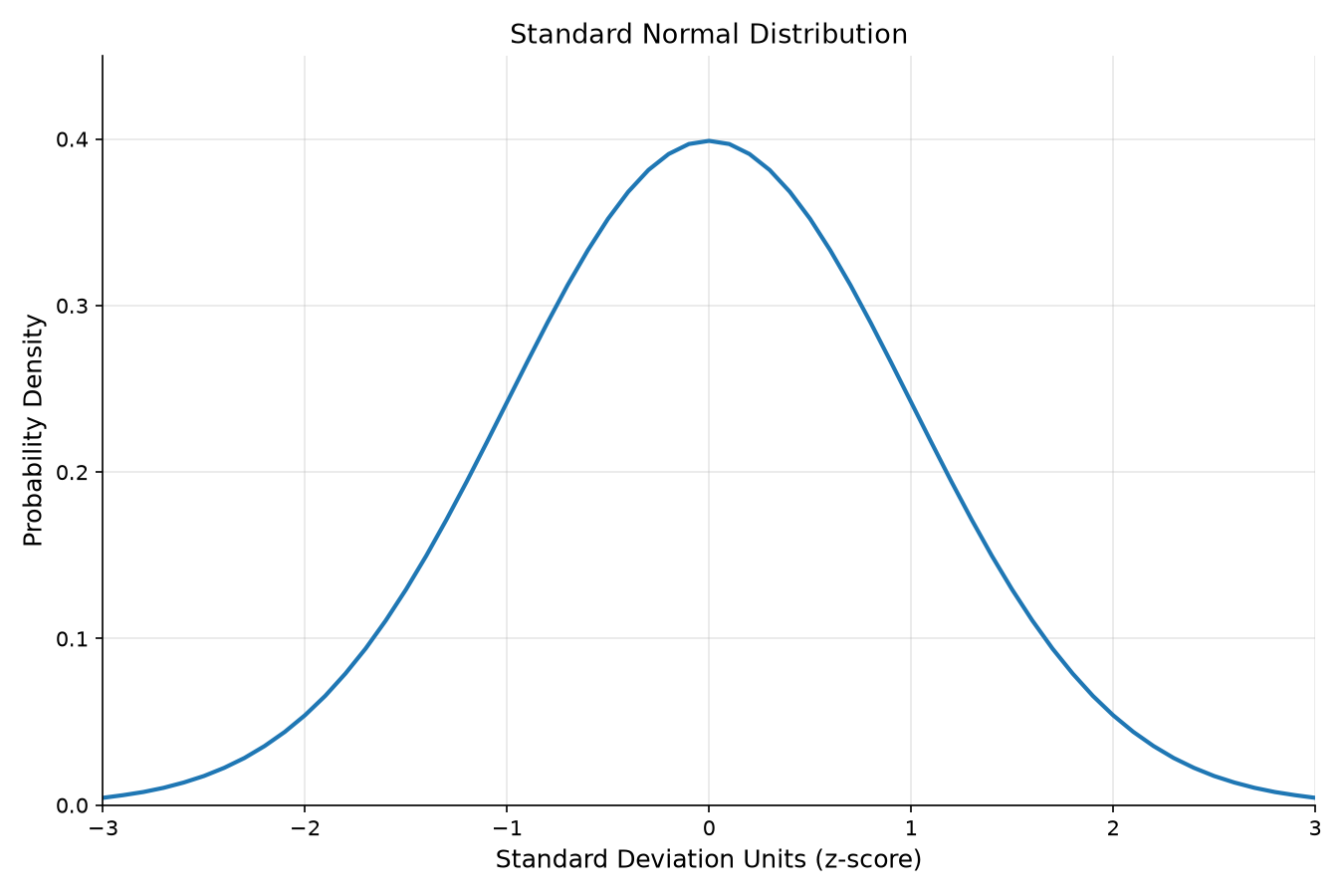
A psychologist reviews standardized test results across different assessment batteries. On an intellectual ability battery with a population mean of 100 and a standard deviation of 15, a client achieves a Full Scale standard score of 115. On a standardized personality inventory utilizing linear T-scores with a mean of 50 and a standard deviation of 10, as shown in the standard distribution curve in the figure, which T-score corresponds to the identical relative normative standing?
A school psychologist is evaluating a 7-year-old child referred by teachers for persistent motor restlessness, difficulty sustaining attention on structured classroom tasks, and frequent peer interruptions. To conduct a comprehensive, evidence-based multimodal assessment for suspected Attention-Deficit/Hyperactivity Disorder (ADHD), which TWO assessment methods are essential to incorporate? (Select TWO)
A forensic psychologist is conducting an independent neurocognitive evaluation of an adult plaintiff claiming permanent, severe memory impairment and total disability following a low-speed motor vehicle collision. As part of professional standards in forensic assessment, the psychologist administers standalone and embedded Performance Validity Tests (PVTs). flowchart TD A[Plaintiff Claims Total Cognitive Disability post-mTBI] --> B[Administer Standardized Neurocognitive Battery] B --> C{Standalone & Embedded PVTs} C -->|PVT Score Significantly Below Chance| D[Performance Significantly Below Binomial Chance] C -->|PVT Score Above Empirical Cutoff| E[Valid Effort Demonstrated] D --> F[Non-Credible Effort Documented] E --> G[Interpret True Cognitive Abilities] If the plaintiff scores significantly below chance (p < .01 on binomial distribution) on a two-alternative forced-choice PVT, what is the primary conclusion the psychologist must document?
A licensed psychologist is designing an outpatient treatment plan for a 35-year-old adult presenting with severe, recurrent major depressive disorder characterized by profound anhedonia, vegetative slowing, and social withdrawal. When comparing standalone Behavioral Activation (BA) against full Cognitive Therapy (including direct cognitive restructuring of automatic thoughts and core beliefs), what does empirical research (e.g., component analysis clinical trials) indicate regarding comparative efficacy?
During an exposure therapy protocol for an adult patient presenting with panic disorder and agoraphobia, a psychologist structures sessions using contemporary inhibitory learning principles rather than traditional emotional processing models (habituation). Based on the inhibitory learning framework for extinction, which clinical strategy should the psychologist prioritize during exposure trials?
6 more free samples are waiting
Create a free account to unlock the whole EPPP sample bank, or get full access to all 156 practice questions in the simulator.