Free FNP-BC sample questions
Questions from the Family Nurse Practitioner Certification (FNP-BC) practice bank, with the correct answer and an explanation for each one. No junk, no filler.
Try them in the simulator Same questions, with study, timed and flashcard modes.
Showing 6 of 12 free sample questions.
A 2-month-old infant is brought to the clinic for a well-child examination. The mother expresses concern regarding a bright red, well-demarcated, raised, soft vascular plaque measuring 1.5 cm on the infant's left forearm. The mother notes it was not apparent at birth but appeared at two weeks of age and has enlarged. Physical examination confirms a benign superficial infantile hemangioma. What is the expected clinical pathogenesis and natural history of this lesion?
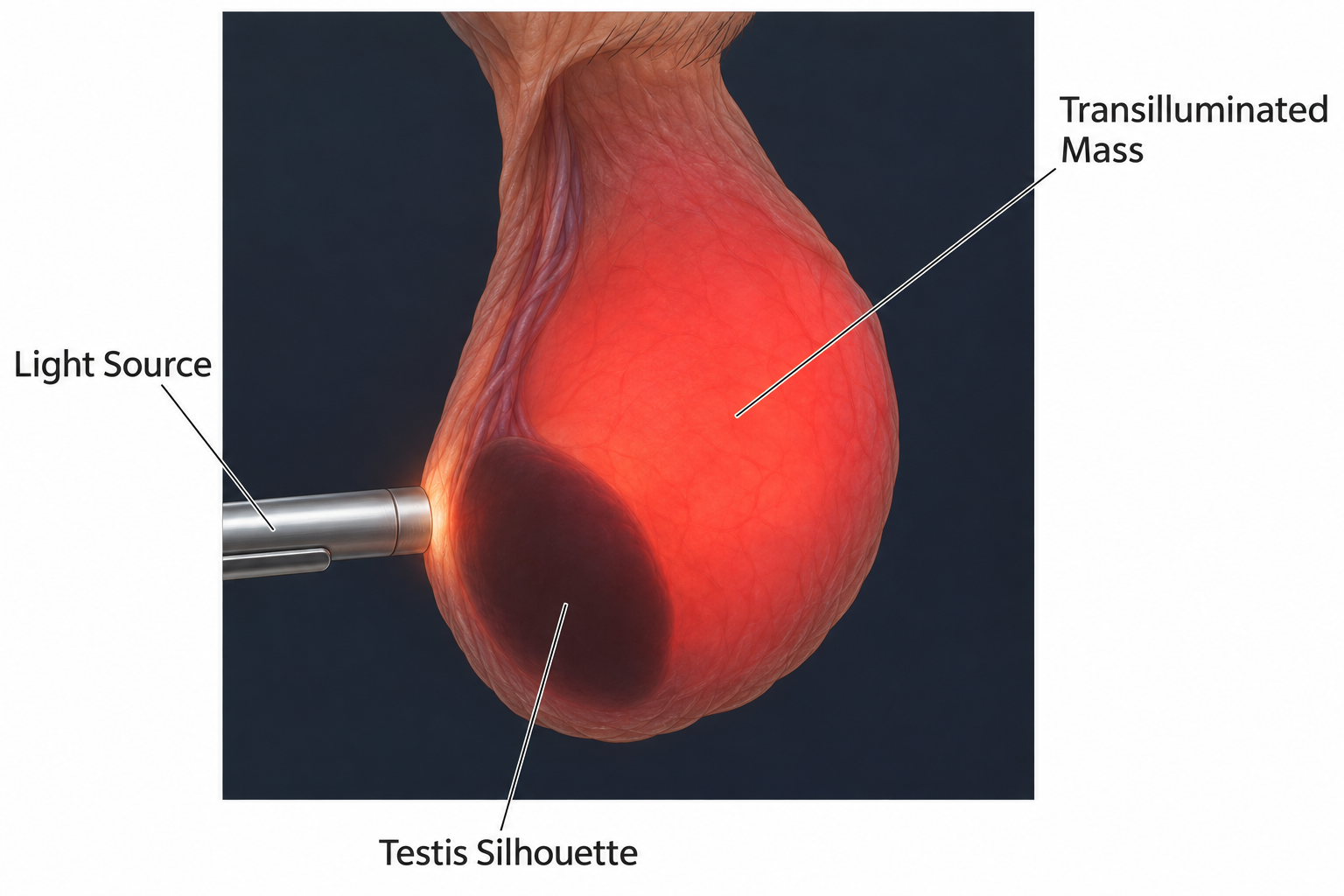
A 34-year-old male presents with a painless, gradual enlargement of the right scrotum over the past two months. On physical examination, the family nurse practitioner palpates a smooth, nontender, fluctuant mass anterior and superior to the right testicle. When a penlight is positioned firmly against the dependent posterior margin of the scrotal sac in a darkened exam room, the light illuminates the mass with a diffuse red glow. What is the most likely diagnosis?
A 48-year-old female choral director presents to the primary care clinic reporting persistent hoarseness and vocal fatigue that has steadily worsened over the past 4 weeks. She notes that her upper vocal range is diminished and her voice sounds breathy and raspy. She denies sore throat, fever, dysphagia, weight loss, tobacco use, or gastroesophageal reflux symptoms. On physical examination, the vital signs are normal. Examination of the oral cavity and oropharynx demonstrates normal mucosal appearance without erythema, exudates, or lesions. Palpation of the anterior and posterior cervical chains reveals no lymphadenopathy, and the thyroid gland is normal in size and texture. Cranial nerves IX through XII are intact. Given the duration of symptoms and the patient's occupational vocal demands, which diagnostic procedure should the family nurse practitioner select as the next appropriate clinical step?
A 62-year-old male with a documented history of anterior myocardial infarction two years ago attends a follow-up appointment. His blood pressure is 122/76 mm Hg on carvedilol and lisinopril. The family nurse practitioner initiates high-intensity atorvastatin therapy to reduce the risk of recurrent ischemic events, cardiac hospitalization, and cardiovascular mortality. In epidemiological terms, which level of prevention does this clinical management represent?
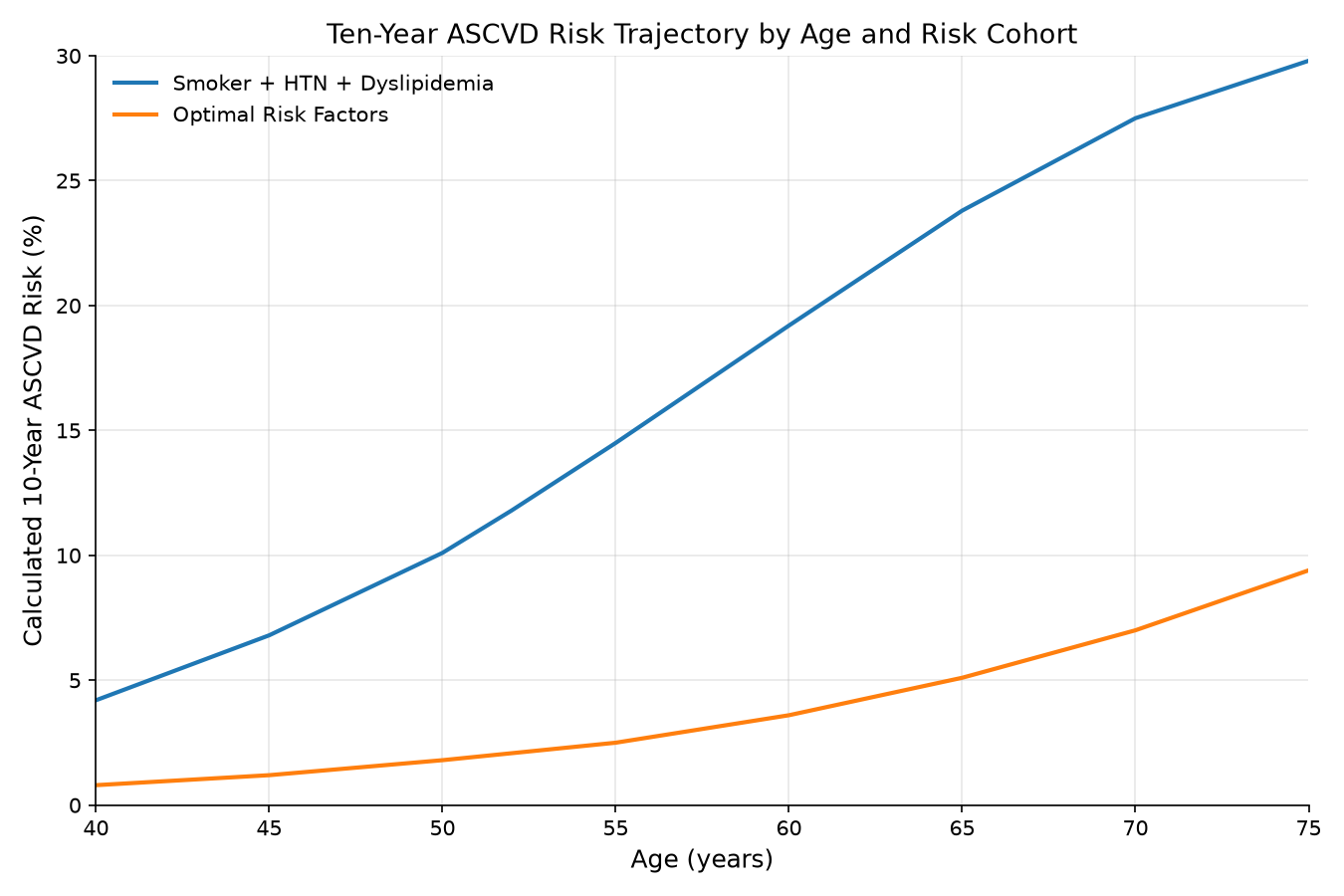
A 52-year-old male with a 20 pack-year smoking history and newly diagnosed hypertension presents for cardiovascular risk evaluation. Laboratory testing reveals total cholesterol 218 mg/dL, HDL-C 38 mg/dL, and LDL-C 142 mg/dL. He has no history of clinical cardiovascular events or diabetes. His calculated 10-year atherosclerotic cardiovascular disease (ASCVD) risk score is 11.8%. Based on USPSTF recommendations for primary cardiovascular prevention, what pharmacologic plan is indicated?
6 more free samples are waiting
Create a free account to unlock the whole FNP-BC sample bank, or get full access to all 168 practice questions in the simulator.