ExamDumpster

Free AGACNP-BC sample questions

Questions from the Adult-Gerontology Acute Care Nurse Practitioner practice bank, with the correct answer and an explanation for each one. No junk, no filler.

Try them in the simulator Same questions, with study, timed and flashcard modes.

Showing 6 of 12 free sample questions.

Question 1Choose one

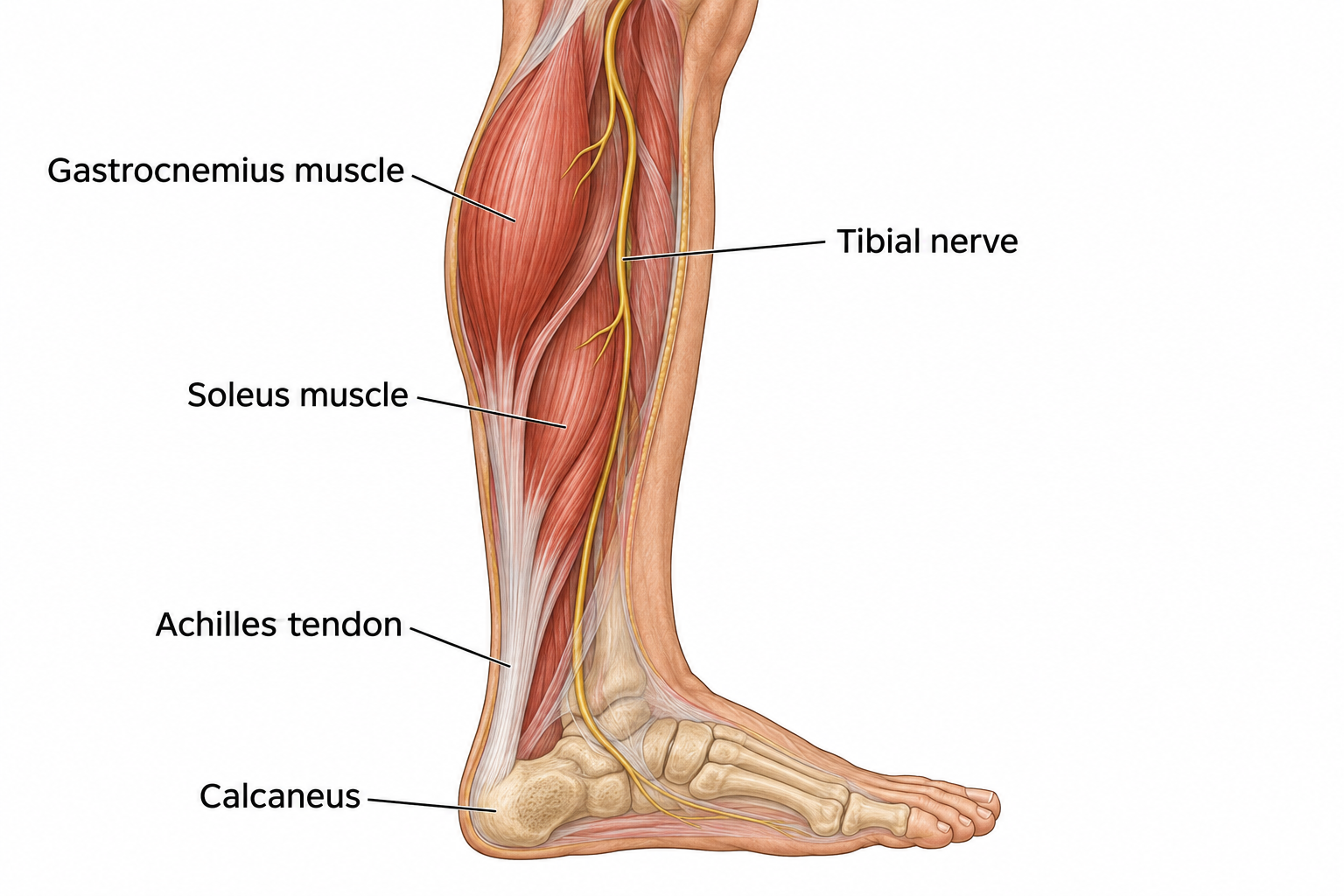
An AGACNP evaluates an acute spinal cord injury patient in the neuro-intensive care unit. While assessing deep tendon reflexes and upper motor neuron pathway integrity, the practitioner tests for ankle clonus. Which examination technique correctly elicits this physical sign?

Question 2Choose one

A 66-year-old male with acute pyelonephritis presents to the intensive care unit in septic shock. After the infusion of 30 mL/kg of balanced crystalloid solution within 2.5 hours, his blood pressure is 82/48 mmHg (mean arterial pressure 59 mmHg) and heart rate is 108 beats/min. Based on international sepsis guidelines, which vasoactive medication is the definitive first-line agent to restore hemodynamic stability? flowchart TD A[Septic Shock Hypotension] --> B[30 mL/kg Crystalloid Resuscitation] B --> C{MAP >= 65 mmHg?} C -->|No| D[1st Line Agent: Norepinephrine] D --> E{Escalating Dose Needed?} E -->|Yes| F[Add 2nd Line Agent: Vasopressin 0.03 U/min]

Question 3Choose one

A 70-year-old female with septic shock secondary to acute cholangitis remains hypotensive with a mean arterial pressure of 58 mmHg despite receiving appropriate fluid loading and norepinephrine titrated to 0.35 mcg/kg/min. In accordance with current clinical practice guidelines, what is the most appropriate next step in vasoactive therapy?

Question 4Choose one

A 58-year-old male with refractory septic shock secondary to necrotizing soft-tissue infection remains persistently hypotensive with a mean arterial pressure of 57 mmHg despite dual vasoactive therapy consisting of norepinephrine at 0.45 mcg/kg/min and vasopressin at 0.03 units/min. Point-of-care cardiac ultrasound reveals impaired left ventricular systolic function. Which vasoactive agent should be added as a third-line agent?

Question 5Choose one

The nursing leadership committee at a tertiary hospital proposes replacing the systemic inflammatory response syndrome (SIRS) screening criteria with the quick Sepsis-related Organ Failure Assessment (qSOFA) as the sole bedside screening tool for early sepsis recognition. What evidence-based rationale explains why international clinical guidelines recommend against using qSOFA as a single standalone screening tool? flowchart TD subgraph Early Bedside Screening SIRS[SIRS / NEWS / MEWS] -->|High Sensitivity| EarlyDet[Early Sepsis Detection] end subgraph Risk Stratification qSOFA[qSOFA Score >= 2] -->|High Specificity, Poor Sensitivity| MortRisk[Predictor of In-Hospital Mortality] end

Question 6Choose 2

An AGACNP instructs critical care nursing staff on utilizing the Confusion Assessment Method for the Intensive Care Unit (CAM-ICU). To establish a positive assessment for delirium, a patient must demonstrate an acute onset or fluctuating course of mental status change (Feature 1) AND inattention (Feature 2), plus AT LEAST ONE of which TWO standardized clinical features? (Select TWO)

6 more free samples are waiting

Create a free account to unlock the whole AGACNP-BC sample bank, or get full access to all 143 practice questions in the simulator.

Create account